
Technology Resilience and ROIC
A Ten-Year View for the Boardroom

A Ten-Year View for the Boardroom

As 'Shadow AI' spreads through everyday workflows, institutions face a growing governance gap that traditional oversight was never designed to manage.

Insurers are expanding beyond traditional risk coverage into services such as healthcare, elderly care, childcare, and mobility. This shift signals a deeper transformation from financial protection to integrated life infrastructure.

Artificial intelligence is more than just increasing efficiency; it transforms business models and opens up new growth opportunities.

AI is a powerful technology for nonprofits looking to improve their operations, increase their impact, and better support their stakeholders.

How decentralized technologies strengthen data integrity, automate energy processes, and enhance security across modern energy systems.
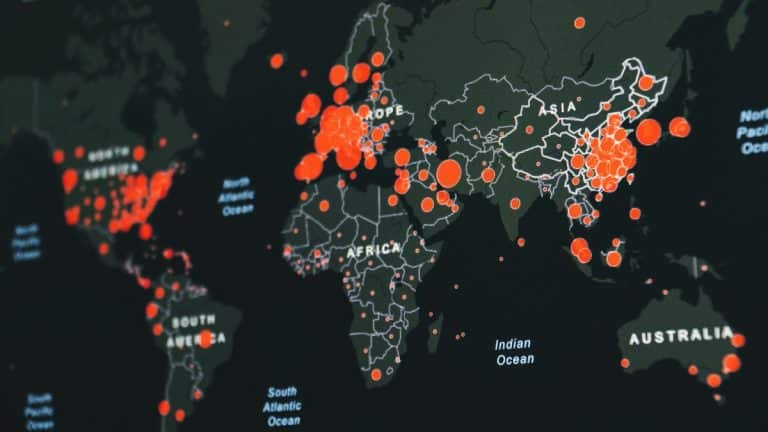
How boards and CIOs must secure control across clouds, models, data flows, and vendors in a fractured world.

How CFOs in manufacturing unlock digital value creation across the entire enterprise through strategic capital management.

Executives face rapid change: balancing agility, data use, and talent growth to guide organizations through the digital era.

How companies can position themselves efficiently in international markets leveraging digital tools and platforms.

In a CEO World article, Chair Mike Flache provides insights into the opportunities and challenges of quantum computing and its impact on industries.

Through clear goals, pilot projects, and a strong data strategy, companies can effectively integrate AI and secure competitive advantages – now and in the future.

From the perspective of the board of directors and management, stakeholder engagement continues to play a central role in the AI age.


